

Generation Z makes up one of the fastest-growing consumer segments. Born between 1997 and 2012, this digitally native generation approaches shopping with distinct values and expectations that traditional marketing strategies often miss.
Because this demographic makes up a large portion of the market, brands that ignore Gen Z’s unique preferences risk losing relevance in an increasingly competitive marketplace. These consumers prioritize authenticity, sustainability, and meaningful experiences over flashy advertising campaigns. Their purchasing decisions reflect values centering around environmental responsibility, social justice, and genuine brand connections.
Packaging design serves as the first physical touchpoint between brands and Gen Z consumers. Getting this interaction right can determine whether your product ends up in their shopping cart or gets passed over for a competitor. Understanding how to create packaging that resonates with the Gen Z demographic requires a fundamental shift in design thinking and strategic approach. Here are some design considerations and steps to follow when designing with this audience in mind.
Understanding the Gen Z Demographic
Gen Z consumers value transparency above almost everything else when making purchasing decisions. They research brands extensively, reading reviews, checking social media presence, and investigating company practices before buying. This generation expects brands to take clear stances on social and environmental issues, not just pay lip service to causes.
Sustainability drives many of their purchasing choices, with 73% of Gen Z consumers interested in sustainable products. Many view environmental responsibility as a non-negotiable feature when buying from a new brand. Digital integration also plays a crucial role in their shopping experience, as they seamlessly blend online research with in-store purchases.
Social media heavily influences their brand discovery and purchasing decisions. Gen Z consumers trust peer recommendations and user-generated content more than traditional advertising. They value authenticity, sustainability, and digital integration, demanding thoughtful design beyond fleeting trends. Brands that strategically design packaging to meet these needs will build lasting relationships with this influential group.

Key Packaging Design Elements for Gen Z
When designing packaging for Gen Z, it is essential to consider their unique preferences and values. This generation is drawn to bold, creative, and sustainable designs that reflect their personality and commitment to social and environmental causes. Below are key elements to focus on when creating packaging that resonates with Gen Z consumers.
Color Palettes That Connect
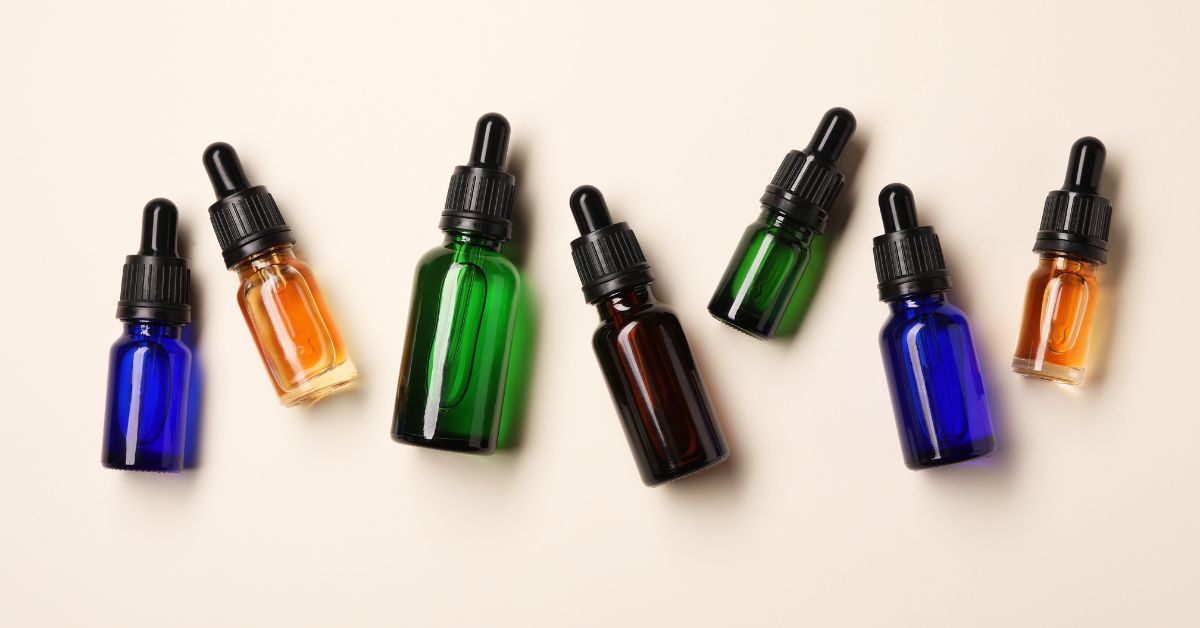
Gen Z gravitates toward bold, vibrant colors that reflect their diverse and expressive nature. Neon greens, electric blues, and hot pinks perform well, particularly in strategic placement rather than overwhelming the entire design. For other products, consumers also respond positively to earthy tones like sage green, terracotta, and warm beiges when paired with sustainable messaging. Reference color psychology in packaging design to optimize your use of colors and choose those that appeal to your demographic.
Gradient effects and color-blocking techniques appeal to their aesthetic preferences shaped by social media platforms. However, colors must align with brand values and product positioning to maintain authenticity. Brands should avoid using trendy colors without purpose, as Gen Z quickly identifies superficial attempts to appear relevant.
Embracing Minimalist Design
Clean, uncluttered packaging designs resonate strongly with Gen Z consumers who appreciate simplicity and functionality. This generation prefers packaging that clearly communicates product benefits without excessive text or confusing graphics. White space becomes a powerful design element when used effectively.
Typography choices should prioritize readability while maintaining personality. Sans-serif fonts typically perform better than elaborate scripts, especially for essential product information. The minimalist approach extends to imagery, where few well-placed visuals often outperform busy collages or multiple product shots.
Sustainable Materials and Messaging
Eco-friendly packaging materials directly influence Gen Z purchasing decisions. Recyclable cardboard, biodegradable plastics, and compostable materials demonstrate genuine environmental commitment. These consumers research packaging materials and call out brands that make misleading sustainability claims.
Clear recycling instructions and environmental impact information should appear prominently on packaging. Gen Z appreciates transparency about packaging lifecycle and disposal methods. Brands gain credibility by explaining their sustainability journey rather than claiming eco-friendliness with nothing to back it up.
Interactive Digital Elements
QR codes linking to exclusive content, tutorials, or behind-the-scenes footage create engagement opportunities beyond the initial purchase. Gen Z expects seamless integration between physical products and digital experiences. These interactive elements should provide genuine value rather than generic marketing messages, such as directing them to instructions for use or how to leave a review.
Augmented reality features allow consumers to visualize products in their own spaces or access additional product information through smartphone apps. Social media integration encourages user-generated content creation and sharing. However, digital elements must enhance the user experience without creating unnecessary complexity.
Personalization Opportunities
Customizable packaging elements appeal to Gen Z’s desire for individual expression. Limited edition designs, personalized messaging, or mix-and-match components create unique experiences. This generation values products that reflect their personal identity and allow for creative expression.
Brands can incorporate space for consumer customization through removable labels, writable surfaces, or modular design elements. Personalization should feel like an entertaining addition rather than a gimmick or trend.
Practical Tips for Designing Gen Z-Friendly Packaging
Start with comprehensive consumer report focusing specifically on Gen Z preferences within your product category. Generic demographic data rarely captures the nuances of how this generation interacts with specific product types. Conduct focus groups, social media listening, and competitor analysis to understand current trends and gaps.
Test packaging concepts with actual Gen Z consumers before finalizing designs. Their feedback often reveals overlooked details or unintended message interpretations. Iterate based on real user responses rather than internal team assumptions.
Collaborate with Gen Z designers, marketers, or consultants who understand this demographic from personal experience. Authentic insights from within the generation often lead to more successful packaging strategies than external interpretations of their preferences.
Ensure packaging functionality matches Gen Z lifestyle needs. This generation values convenience, portability, and multi-use potential. Packaging that serves additional purposes after product consumption aligns with their sustainability values and practical mindset.
Find Packaging Options at FH Packaging
FH Packaging offers customizable packaging solutions designed to help brands connect with Gen Z consumers effectively. Our sustainable materials, innovative design capabilities, and multi-use convenient options support brands looking to refresh their packaging strategy. Whether you need eco-friendly materials, interactive elements, or personalization features, FH Packaging provides the containers and packaging supply to create products that resonate with this influential demographic.
Capturing Gen Z Through Strategic Packaging Design
Gen Z consumers represent the future of retail spending, making their packaging design preferences crucial for long-term brand success. Their emphasis on authenticity, sustainability, and digital integration requires thoughtful design approaches that go beyond surface-level trend adoption. Brands that invest in understanding and serving this demographic through strategic packaging design will build lasting relationships with these influential consumers.
The most successful packaging strategies combine aesthetic appeal with functional benefits while maintaining authentic brand values. Work with FH Packaging today to create a packaging lineup that aligns with Gen Z’s common ideals for a successful product launch with this influential audience.
